wellness
Social Connection as Medicine: The Loneliness Epidemic Hitting Helsinki
Researchers and community workers say chronic loneliness is now a public health crisis-and Helsinki's own neighbourhood networks are quietly fighting back.
Listen in English · 5 min
How we reported this
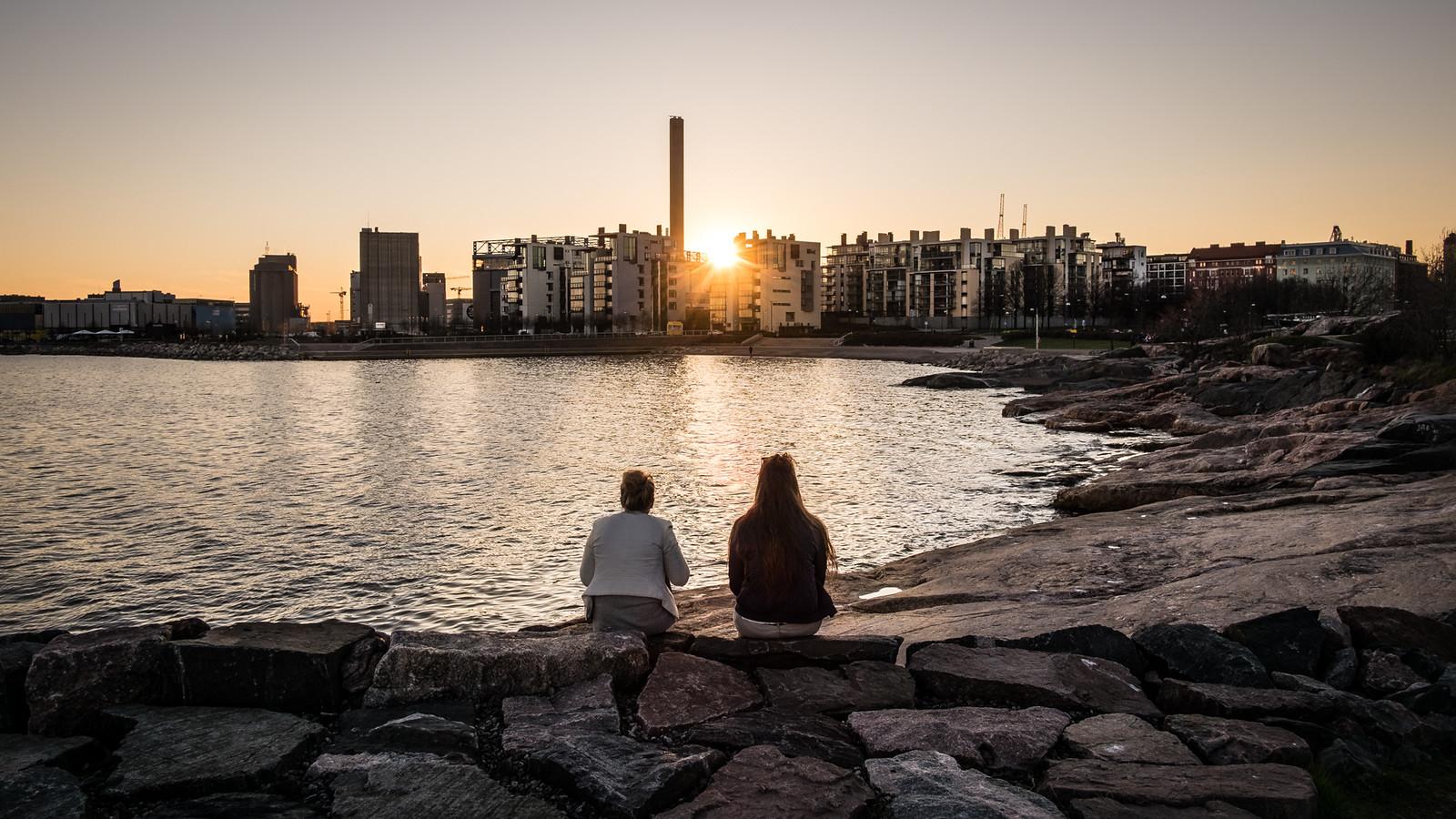
Finland ranks among the world's happiest countries, according to the UN's World Happiness Report. Yet loneliness researchers have flagged a troubling paradox: roughly one in four Finnish adults reports feeling lonely at least some of the time, a figure that climbed after 2020 and has not fully retreated. Happiness at the national level and isolation at the individual level are not mutually exclusive-and the gap between them is where mental health quietly deteriorates.
Summer in Helsinki, with its long bright evenings, can look deceptively social from the outside. Terrace tables fill along Esplanadi, kayakers cut across the South Harbour, and the ferry to Suomenlinna carries a steady weekend crowd. But welfare researchers warn that the seasonal lift masks a harder reality for the roughly 670,000 people who live in the city year-round. Transition moments-end of school year, summer holiday dispersal, colleague networks going quiet in July-tend to intensify feelings of disconnection for those already at risk. The Finnish Mental Health Association (Mieli ry) designated loneliness a core public health priority in its 2024-2028 strategy, partly because of evidence linking it to elevated cortisol levels, disrupted sleep and a higher risk of premature mortality compared with socially integrated adults.
What the Science Says About Connection and the Brain
Loneliness is not simply an emotion. Neuroscience has reframed it as a chronic stressor that activates the same threat-response pathways as physical pain. Sustained social isolation raises inflammatory markers, suppresses immune function, and-critically for Helsinkians spending six months of the year in low-light conditions-compounds seasonal mood dips. A study published in Nature Mental Health found that adults who participated in structured group activities at least twice a week reported lower perceived stress scores after eight weeks compared with a control group. The intervention did not require therapy or clinical settings. Shared meals, walking groups, and craft collectives produced measurable results.
Hormonal factors add another layer of complexity. Oxytocin, sometimes called the bonding hormone, is released through physical proximity and sustained eye contact-neither of which video calls replicate effectively. For people managing perimenopause, testosterone shifts, or disrupted melatonin cycles due to Helsinki's extreme photoperiods, the absence of face-to-face contact can amplify the hormonal turbulence already in play. Anyone noticing that pattern should speak with a physician at a local health centre, such as those run through the Helsinki City Health Services (Helsingin kaupungin terveysasemat), before drawing conclusions.
Helsinki's Own Antidotes-and Where to Find Them
Several grassroots and municipal programs are operating right now in the city. Yhteinen Pöytä, a food-sharing network based in Vantaa that serves the greater Helsinki region, organises weekly communal meals that attract several hundred participants each month-mixing retirees, recent immigrants, students, and workers in a single room. The social contact, organisers say, is explicitly part of the design, not a byproduct. Cost to participants: zero.
In Kallio, the neighbourhood's own resident association runs open coffee mornings every Tuesday at 10am at the Kallio community centre on Fleminginkatu. Attendance has grown since January 2025, with the youngest regular participant 23 years old and the oldest 81. Meanwhile, the city's Stadin aikuisopisto (Helsinki Adult Education Centre), which offers courses across campuses in Pasila and Töölö, reported in its 2025 annual review that enrolment in non-vocational group courses-ceramics, Nordic walking, language circles-rose year-on-year, with participants citing social motivation as their primary reason for signing up.
The practical upshot for anyone feeling the July quiet settle in: the research strongly favours showing up somewhere regular, with the same people, more than once. A single event rarely shifts the underlying biology. Twice-weekly, repeated contact does. Check the city's own harrastushaku.hel.fi directory, which lists subsidised hobby groups by neighbourhood and age group. If the feeling of isolation is severe or persistent, the Mieli ry crisis line operates around the clock at 09-2525-0111. The science is clear enough-connection is not a luxury. Schedule it like the appointment it is.