Politics
Helsinki Candidates Reveal Housing and Transport Plans Before Municipal Election
As the city election nears, policy analysts and community groups are pressing candidates for concrete details on how their platforms will address Helsinki's growth, affordability, and climate goals.
How we reported this
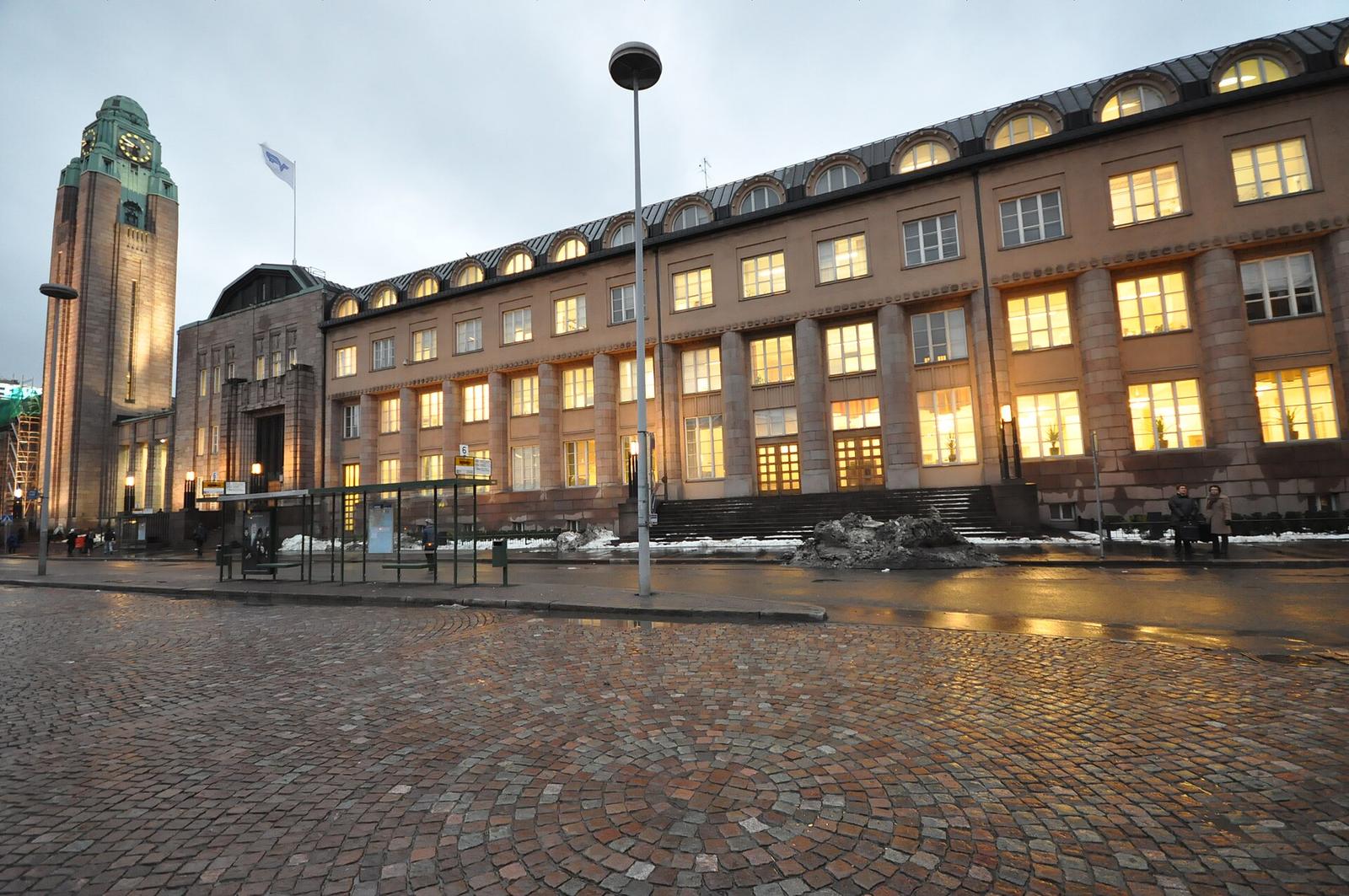
With Helsinki’s municipal election campaigns entering a critical phase, candidates are being challenged to move beyond broad visions and provide detailed plans on the city’s most pressing issues: housing density and public transport. Policy debates are intensifying around the practical costs and neighbourhood impacts of proposals designed to manage the capital's sustained population growth, with local experts demanding clarity on funding and timelines.
The focus on these core topics is not accidental. The election arrives as Helsinki navigates the goals laid out in its ambitious City Strategy, which guides development through 2025 and beyond. That plan commits the city to carbon neutrality by 2030 and mandates significant new housing construction to keep pace with demand. How the next City Council interprets and funds these commitments will directly shape the daily lives of residents for years to come, influencing everything from the cost of rent in Kallio to the frequency of trams serving Pasila.
From Blueprints to Backyards
For Helsinki residents, the abstract policy discussions have tangible consequences. Proposals for increased housing density, for example, are a central point of contention. Some candidates advocate for fast-tracking high-rise residential projects in developing waterfront districts like Jätkäsaari and Kalasatama to alleviate market pressure. Urban planners suggest such moves could help stabilize housing costs, but resident associations in established neighbourhoods like Töölö are voicing concerns about the potential strain on local schools, health services, and green spaces.
Transportation is the other major battleground. The future of Helsinki's public transit network, including potential extensions of the metro or the new Crown Bridges tramway project, is a key differentiator between political groups. Candidates supporting major infrastructure investments argue they are essential for achieving the city's climate targets and connecting growing suburbs. However, fiscal conservatives are questioning the long-term financial burden of these large-scale projects, suggesting a focus on improving existing bus routes and cycling infrastructure would be more cost-effective.
A Call for Concrete Costs
While campaign materials are filled with promises, policy analysts are looking for specifics that have so far been scarce. The city's own budget documents outline the significant capital required for major projects, and experts are urging candidates to identify clear funding mechanisms. Questions remain about whether new transport lines will be funded through municipal debt, public-private partnerships, or increased taxes and transport fees. This lack of financial detail makes it difficult for voters to assess the long-term viability of the competing visions for Helsinki's future.
Community advocacy groups are echoing this call for transparency. Organizations focused on housing affordability are pushing for commitments to specific targets for social and city-subsidized housing within new developments. Meanwhile, environmental groups are evaluating candidates based on their commitment to protecting central green corridors like Keskuspuisto from any future development encroachment, a perennial topic of debate in city planning circles.
As the election approaches, a series of public debates are scheduled at venues including local libraries and community centres. These events will provide a key forum for voters to press candidates on these details. The outcomes will determine the direction of urban development and public investment in a capital city that continues to grow, both in population and in ambition.