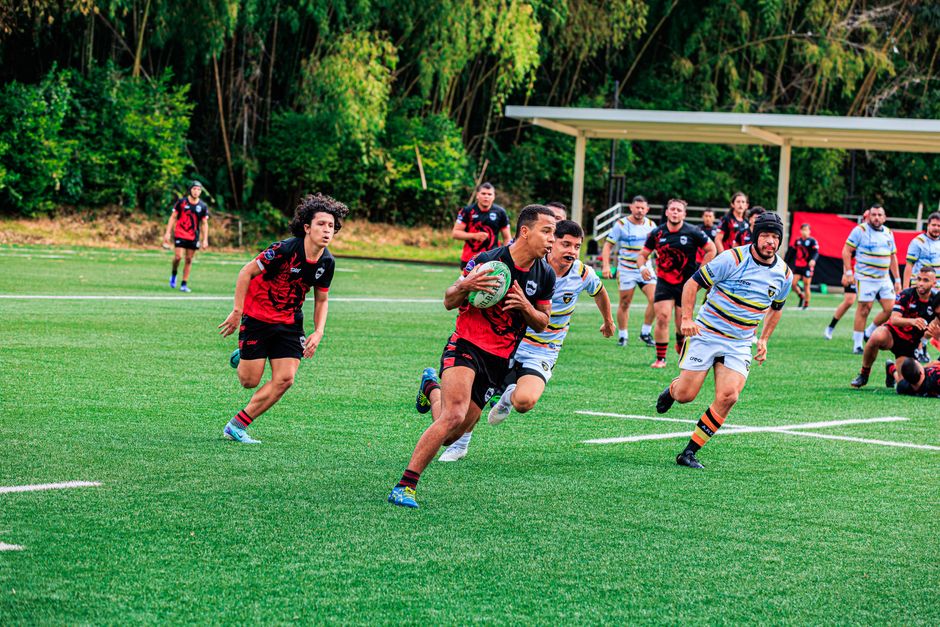
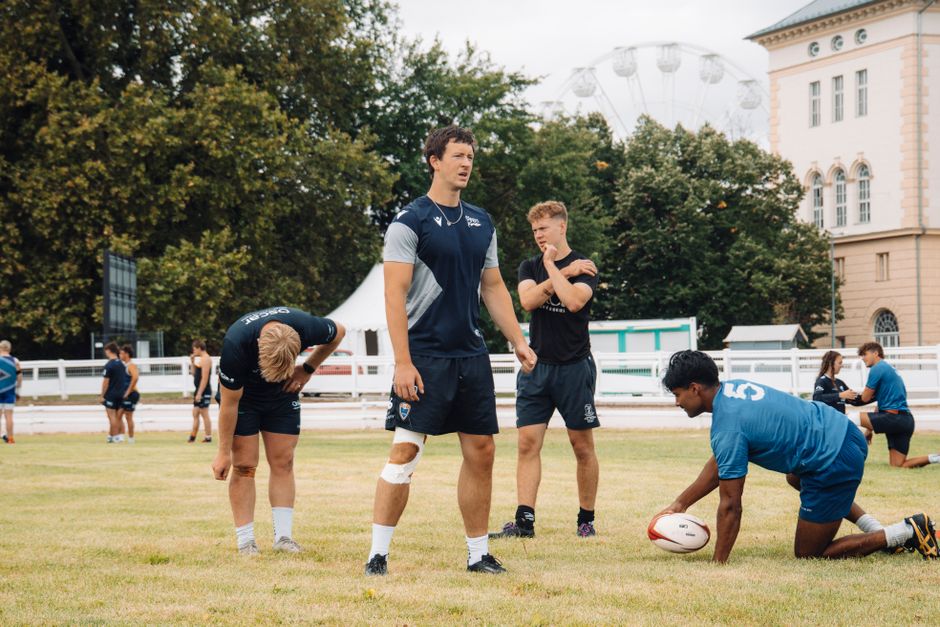
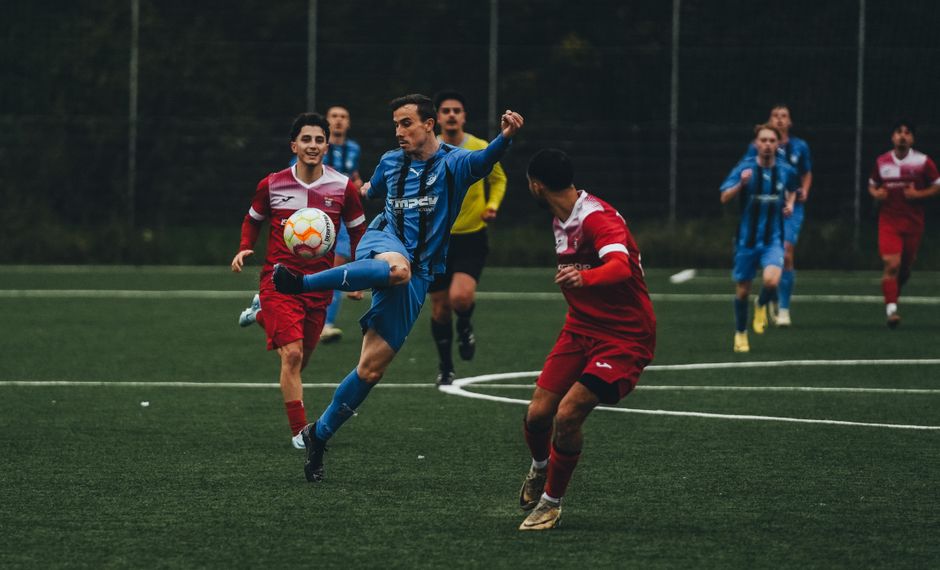
Membership numbers are up. Waitlists are forming. And on any given Saturday morning across Australia, the car parks outside local sporting clubs are full before 8am. The grassroots sporting boom that quietly took hold during the post-pandemic years has not faded — it has accelerated, and the evidence is showing up in registration databases, volunteer rosters and canteen queues from Cairns to Fremantle.
The timing matters. The Socceroos' penalty-shootout exit against Egypt at the World Cup this week stung — Australia has still never won a knockout match at a men's World Cup — but it did something useful for the domestic game. Football Australia reported a spike in junior club inquiries within 48 hours of the match, a pattern that mirrors what happened after the 2022 Qatar campaign. Heartbreak, it turns out, is a surprisingly effective recruitment tool.
The Clubs Doing the Heavy Lifting
Across the country, two organisations in particular illustrate what genuine community sport looks like in 2026. The Rocklea United Soccer Club in Brisbane's south-west has grown its registered player base to more than 1,400 members this season — up from 940 three years ago — and launched a dedicated refugee integration program in partnership with the Queensland government's Multicultural Affairs unit. The club runs sessions every Tuesday and Thursday evening at Duus Road Reserve, with coaches trained specifically in trauma-informed sports delivery. Fees for the integration stream are capped at $40 per season, subsidised through a $180,000 state government grant announced in March.
In Western Australia, the Inglewood Districts Junior Football Club has taken a different approach. The club introduced a women's and girls' pathway in 2023 that now fields seven teams across age groups from under-10 to reserves. Registrations for the 2026 winter season closed two weeks early in April because capacity at Hamer Park Oval was reached. The club's waiting list currently sits at 63 players. The AFL's Club Development Fund contributed $95,000 toward new change room facilities completed in January, which administrators say was the single biggest factor in allowing the women's program to expand.
These are not isolated cases. Sport Australia's 2025 annual participation report, released in February, found that community club membership nationally grew by 11.3 per cent between 2023 and 2025, with the sharpest rises recorded in football codes, swimming and combat sports. Volunteering hours logged through sporting clubs increased by an estimated 2.1 million hours over the same period. The data also showed that clubs in outer-suburban and regional areas outpaced inner-city clubs on growth rate, suggesting the boom is reaching places that policy makers have historically struggled to engage.
What Keeps Clubs Healthy — and What Threatens Them
The picture is not uniformly rosy. Ground access remains the single most-cited challenge by club administrators, particularly in high-density urban corridors where local councils are managing competing demands for open space. Insurance costs have risen sharply since 2023, with some smaller clubs reporting annual premium increases of between 18 and 25 per cent. The Australian Sports Commission is currently consulting on a national insurance pooling model that would allow smaller clubs to aggregate risk — a proposal that has support from state sporting bodies but has not yet moved to legislation.
For clubs that are growing, the immediate priority is holding on to the volunteers who make operations possible. Many clubs have moved to structured volunteer recognition programs, offering everything from free family memberships to annual dinners. The Rocklea United model includes a formal volunteer induction day each February and a quarterly newsletter that profiles individual contributors — small gestures, administrators say, but ones that meaningfully reduce turnover.
Families thinking about joining a local club before the second half of the winter season should contact their relevant state sporting association directly — most have online club finders updated in real time. For football specifically, Football Australia's Play Football portal lists registered clubs by postcode and age group. Registration windows for mid-season intakes typically open in the first two weeks of July, so the timing is right. The clubs are there. The spots, in most cases, still are too.