Helsinki is betting heavily on art this summer. The city's galleries, museums, and outdoor venues are hosting 47 distinct cultural events through July, a 34 percent jump from last year's July schedule, according to data released by Helsinki's Office of Culture and Leisure. The programming reflects a deliberate shift: the capital is working to position itself not just as a design destination, but as a genuinely experimental creative city where visual art, music, and performance thrive alongside the industrial design that made it famous.
The timing matters. With Europe's geopolitical temperature rising—from the instability creeping across Russia's borders to the wider sense of unpredictability gripping the continent—cities are reasserting their cultural identity as a form of resilience. Helsinki is no exception. By flooding July with ambitious programming, the city's cultural institutions are signalling that creative work continues, that the calendar still fills with collaborative human effort, even as larger forces feel increasingly unstable.
Where the Action Is
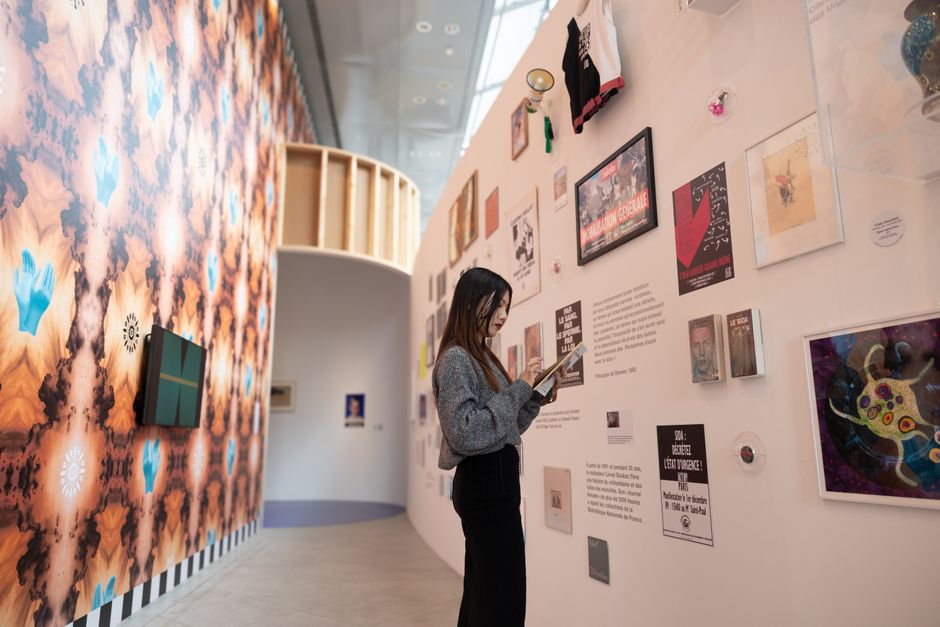
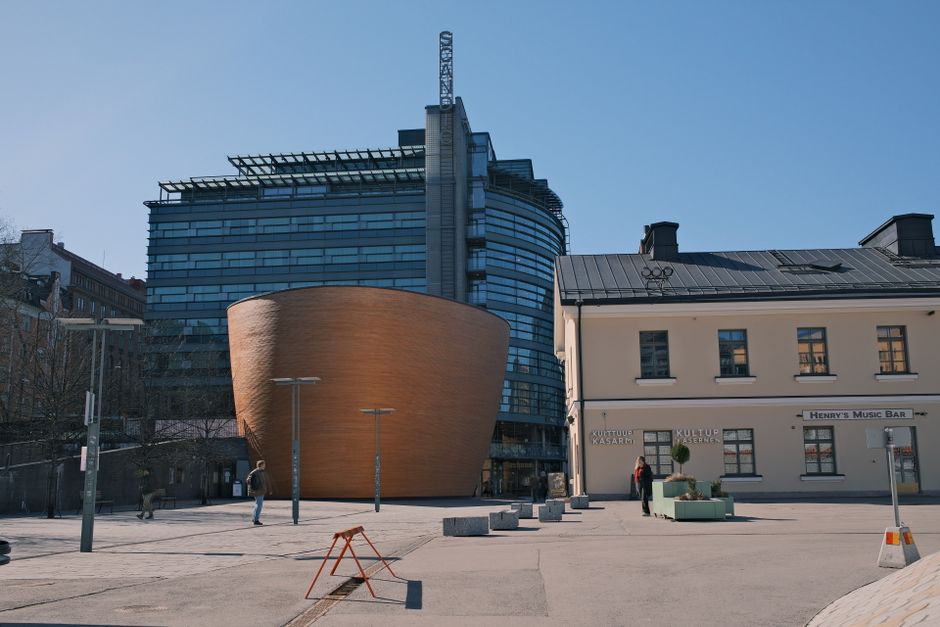
Start in Kallio. The neighborhood's gallery cluster on Hämeentie and Fleminginkatu has become the city's contemporary art heartland over the past five years. This July, the area hosts the annual Kallio Open Studios event through July 12, when 80-plus artists open their working spaces to the public. Admission is free. A five-minute walk south brings you to the Museum of Contemporary Art Kiasma on Mannerheiminaukio, which opened its summer group exhibition "Fragments and Futures" on June 15, featuring 34 Finnish and Nordic artists responding to questions of climate and social change.
For something more experimental, the Suomenlinna Island venue Wadding House is running a residency program through August 15, with artists working in public view on the island's cobblestone streets. The ferry ride from Kauppatori Square takes 15 minutes and costs 4.50 euros each way. The island itself—a UNESCO World Heritage fortress and creative sanctuary—has become something of a pressure valve for Helsinki's art scene, offering space that central Kallio increasingly cannot.
Music programming skews toward the unconventional. The Tavastia club in Kamppi is hosting six "Experimental Nights" events where electronic musicians collaborate with classical performers, a genre-collision that would have felt niche a decade ago but now draws steady crowds. The Finnish National Opera's summer concert series at Eduskuntatorei (the parliament square) runs every Thursday through August 7, with free outdoor performances that draw 800 to 1,200 attendees per show.
The Numbers Behind the Push
Helsinki's cultural spending increased by 2.3 million euros for 2026, with roughly 1.8 million allocated specifically to summer programming and artist residencies. That's a 19 percent increase over 2025, according to the city council's budget documents. The investment is paying dividends in foot traffic: museum visitors to Kiasma alone averaged 4,200 people weekly in June, compared to 2,800 weekly in June 2025.
Tourism data shows cultural events account for 31 percent of summer visitor activity in Helsinki, up from 22 percent three years ago. The city's brand is shifting. Where Helsinki once sold itself on minimalist design and sauna culture, the conversation now includes contemporary art, digital music experimentation, and island-based artist communities.
If you're planning a visit, book accommodation early—July occupancy rates regularly hit 82 percent at mid-range hotels. The Ateneum Art Museum offers a stronger sense of Finnish artistic history if you want context before diving into contemporary work. Entry costs 16 euros. Check venue websites for ticket availability at Kiasma and Tavastia, as popular events sell out a week in advance. The public art installations on Hämeentie stay up through September, so if you miss July, the Kallio walk remains worthwhile.