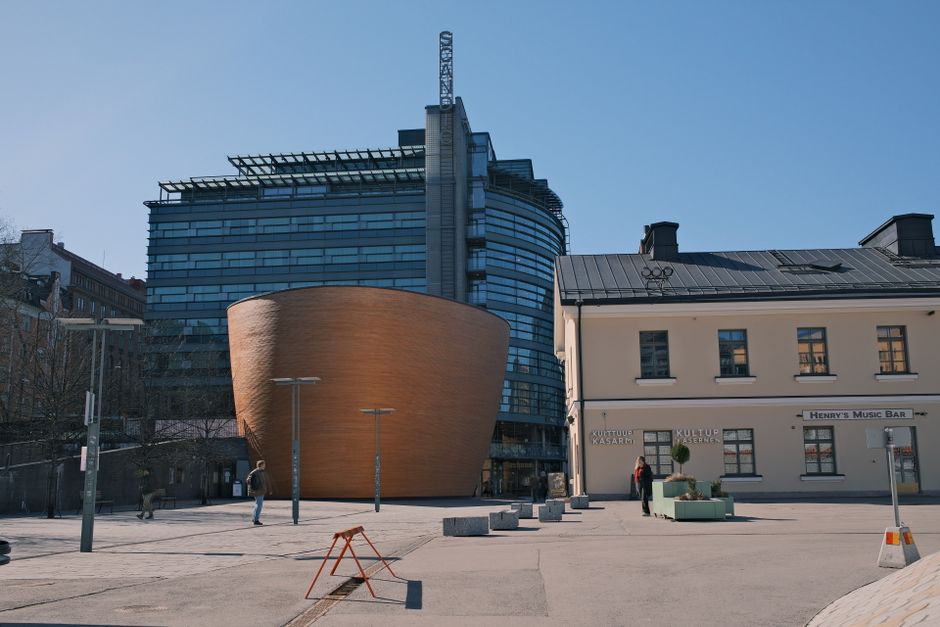
The sauna isn't supposed to be complicated. Heat. Birch. Water. Sweat. But walk into Löyly on Hernesaarenharju Island on any Friday evening and you'll find yourself in the middle of a very deliberate argument about what comes next for one of Helsinki's most sacred institutions.
Younger designers working across the city—people in their late twenties and thirties who grew up with Instagram—are quietly dismantling the idea that Finnish design means sleek, functional restraint. They're experimenting with colour, texture, and narrative in ways that would have made their predecessors uncomfortable. And they're doing it against the backdrop of a sauna culture that generates roughly €400 million annually for Finland's spa and wellness sector, according to 2024 industry data from Suomen Kylpylöiden Liitto.
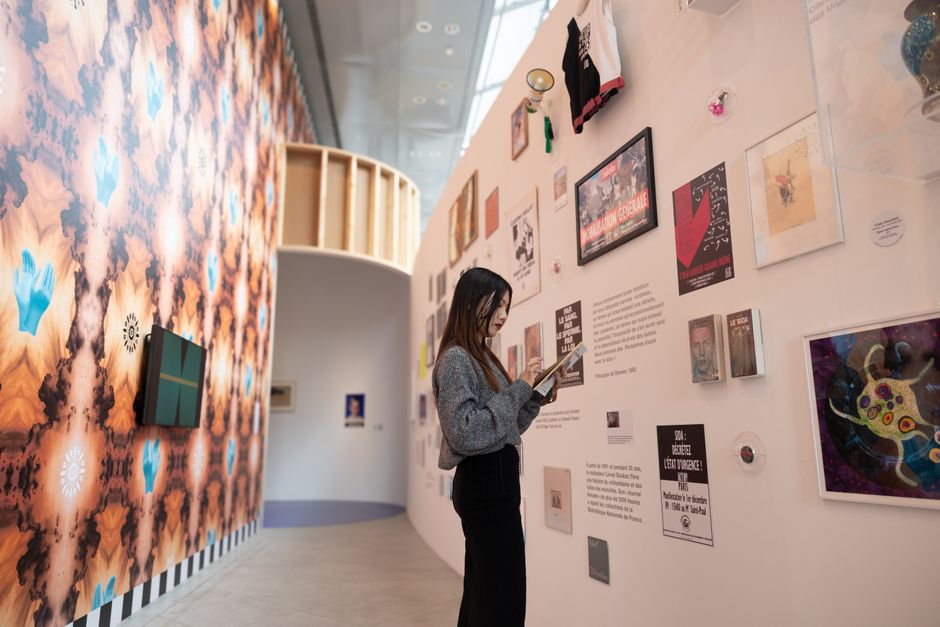
The shift has real stakes. Helsinki's design export economy depends on its reputation for minimalism and utility—a brand built over decades. But the younger generation sees that reputation as a cage. Several emerging studios operating out of converted warehouses in Kallio and Hakaniemi are now creating sauna interiors, accessories, and experiences that prioritise emotion over efficiency, craft over mass production.
Where the New Wave is Building
Designmuseo on Korkeavuorenkatu reported that 28 percent of visitors to its recent exhibition on contemporary Finnish craft were under 35, compared to just 14 percent five years ago. The museum's director told colleagues privately that younger makers are now submitting work that explicitly rejects the "less is more" dogma. One emerging studio in the Vallila neighbourhood recently completed a private sauna commission using hand-painted tiles sourced from a small workshop in Turku, deliberately expensive choices that would have been considered wasteful in an earlier era.
Craft Helsinki, the city's hub for independent makers located on Hämeentie, has seen a 35 percent increase in sauna-related projects from members since 2024. The organisation now runs monthly "sauna future" workshops where younger designers pitch experimental concepts—ceramic heaters shaped like abstract sculptures, LED lighting systems that mimic the play of birch light, even audio installations designed to complement the sound of water on heated stones.
This isn't purely artistic indulgence. The luxury wellness market across Northern Europe has grown 12 percent annually since 2020, and boutique sauna experiences command premium pricing. A bespoke sauna installation in central Helsinki now costs between €80,000 and €250,000, depending on materials and design input. The young designers circulating through Kallio and Hakaniemi understand that Helsinki's traditional sauna culture is becoming increasingly aspirational—a cultural commodity rather than a daily necessity—and they're positioning themselves as the ones who can sell that aspiration back to the world.
What's Changed, Exactly
The shift accelerated after the pandemic forced many Helsinki design studios to close their physical showrooms. Younger makers responded by building direct relationships with clients through digital channels, bypassing the traditional gallery and boutique filter. They stopped waiting for institutional validation and started building audiences on their own terms. Several have now exhibited internationally—Milan, Copenhagen, Berlin—before showing their work in Helsinki.
The practical question for anyone paying attention: where do you actually see this work? The answer is fragmented. Pieces appear in pop-up galleries in Punavuori, in private commissions throughout Etu-Töölö, and increasingly in the growing number of Instagram-native micro-brands that ship sauna accessories globally. The city's Design District still skews toward established names, but younger makers are renting temporary studio space in converted industrial buildings along the Hietalahti waterfront, where foot traffic from summer tourists is substantial.
If you want to observe this emerging generation directly, Sauna Society's regular events at various venues around Helsinki tend to attract both the traditionalists and the experimenters. The tension between them is productive. The young designers aren't rejecting sauna culture—they're arguing that it's larger and more complex than anyone's been willing to admit. That argument is what Helsinki's design scene needs to hear.
This article was compiled by AI and screened before publishing. See our editorial standards.