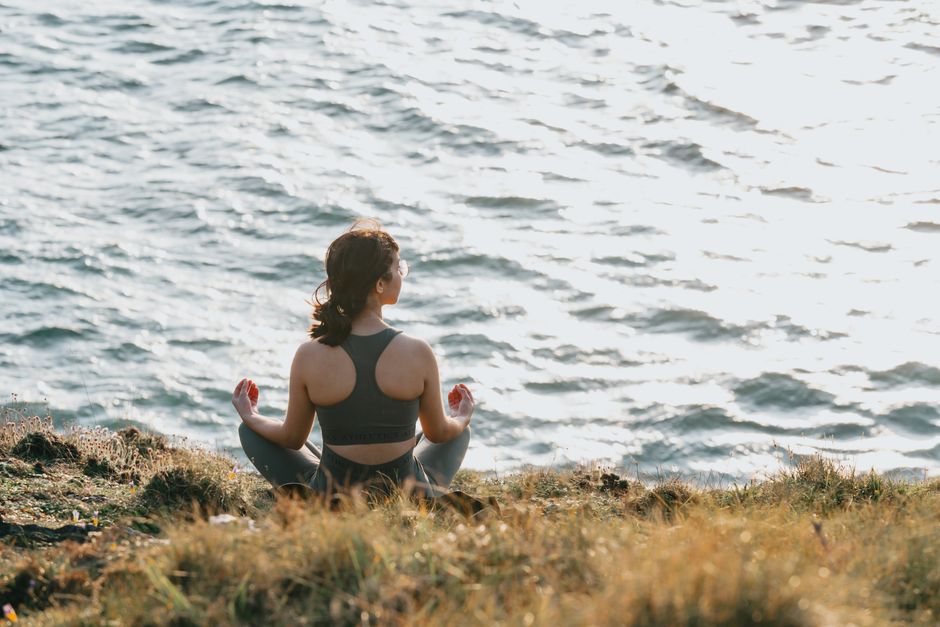
Helsinki's summer solstice window does not close gently. Sunrise on July 3rd landed at 3:52 a.m., and the sky stayed pale all night. For the city's growing community of outdoor yoga and meditation practitioners, that relentless Nordic light is not an inconvenience — it's the point. More Helsinkians than ever are rolling out mats in the open air before most of Europe has set an alarm.
The shift reflects something broader happening in Finnish wellness culture. The Finnish Institute for Health and Welfare reported in its 2025 lifestyle survey that 38 percent of Helsinki residents now engage in some form of mindfulness or mind-body exercise at least once a week, up from 29 percent in 2021. Outdoor practice is driving much of that growth, particularly among the 25-to-40 age bracket. With gym memberships at central Helsinki studios averaging €65 a month, the appeal of a free shoreline session at dawn is obvious.
Where to Unroll Your Mat
Kaivopuisto, the sprawling park at the southern tip of the Kaivopuisto neighbourhood, is the closest thing Helsinki has to a dedicated outdoor wellness commons. On weekday mornings between 5 and 7 a.m. through July and August, informal groups gather near the rocky shoreline overlooking the Suomenlinna sea fortress. There are no roped-off zones, no booking systems — just the Baltic wind, the granite outcrops, and the kind of quiet that the city centre rarely offers after 8 a.m. The park's open eastern lawn, near the corner of Puistokatu and Itäinen Puistotie, catches the earliest direct light and stays sheltered from the sea breeze.
Töölönlahti, the bay park encircling the Töölö inlet just north of the city centre, draws a different crowd — runners and cyclists share the 1.5-kilometre loop with meditators who stake out the wooden jetty on the western bank before traffic noise builds on Mannerheimintie. The grass terraces south of the Finlandia Hall are flat, dry by mid-morning, and face east across the water. Several Helsinki-based yoga instructors, including those affiliated with Yoga Helsinki, the nonprofit umbrella organisation founded in 2018, use Töölönlahti as a summer base for community sessions. Their outdoor schedule for July 2026 lists free public classes every Tuesday and Thursday at 6:30 a.m.
Further east, the Laajasalo island neighbourhood offers a more remote option. The Kruunuvuorenranta waterfront promenade — still partly under development as part of the city's long-term eastern harbour plan — has stretches of boardwalk facing open water to the south. It takes roughly 20 minutes from Hakaniemi by bus, but the reward is a panoramic horizon with almost no urban interference at ground level.
Making the Practice Stick
Consistency is the hard part. Helsinki's July temperatures average around 21°C by mid-morning but can dip below 13°C at actual sunrise, so layering is not optional. Experienced outdoor practitioners in the city generally recommend carrying a lightweight insulated mat — thicker than a standard studio mat — and arriving 10 minutes early to let the body adjust to the chill before moving into seated breathwork or asana.
For beginners, the structured entry point is probably Yoga Helsinki's community programme, which charges nothing for outdoor summer sessions and asks only for online registration through their website. The organisation also coordinates a guided sunrise meditation walk along the Seurasaari island paths on the first Saturday of each month; the July edition runs on July 5th, starting at the bridge on Seurasaarentie at 5:15 a.m.
The hormonal case for early outdoor practice is well-documented in European sleep research: morning light exposure before 8 a.m. anchors the circadian rhythm and supports melatonin regulation in the evening, a cycle that artificial indoor lighting disrupts. In a city where midwinter brings barely six hours of daylight, banking that phototherapy in summer has measurable benefits for the months ahead. Helsinki's parks are already offering that, for free, every morning. The alarm clock is the only obstacle.