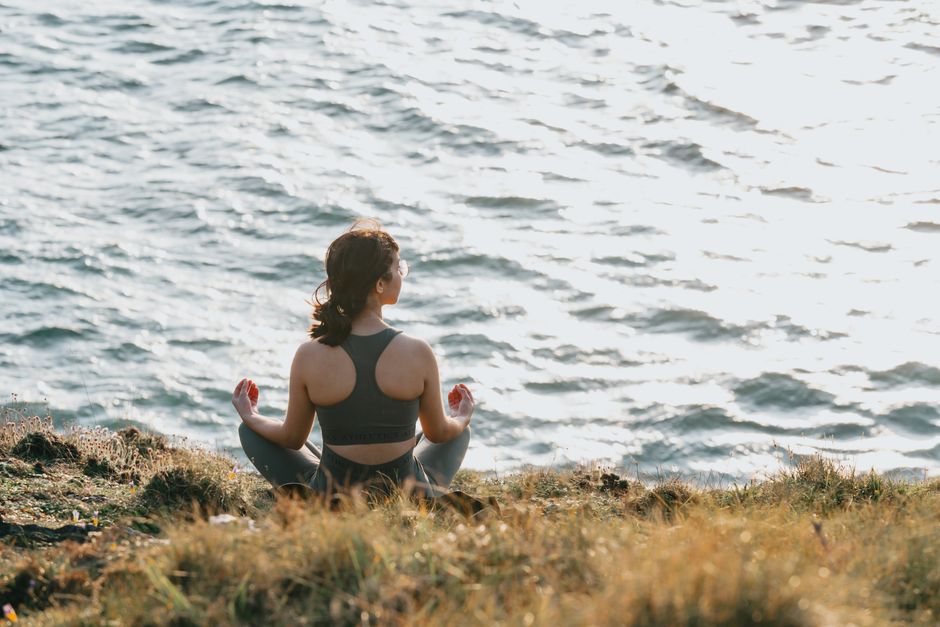
The sauna at Allas Sea Pool on Katajanokka costs €19 for a two-hour session. The sea it overlooks is free. That gap — between the commercialised wellness industry and the cold Baltic water lapping at Helsinki's South Harbour — has become the defining tension in how Finns think about health in 2026, a year when household budgets have been squeezed harder than at any point since the 2008 financial crisis.
Statistics Finland's June 2026 consumer price index put food costs 6.3 percent higher than a year earlier. Average rents in the Kallio and Vallila districts, long the territory of younger residents priced out of Töölö and Eira, have crossed €1,400 per month for a one-bedroom flat. Against that backdrop, the question of how to stay well without spending freely has stopped being a lifestyle preference and started sounding like a practical emergency.
The Rise of the Free Wellness Circuit
What's emerged is something Helsinki residents are calling, informally, the vapaa hyvinvointipiiri — the free wellness circuit. It runs through the city's existing public infrastructure and has been quietly formalised by several organisations over the past 18 months. Liikuntavirasto, Helsinki's city sports department, expanded its Omaehtoinen Liikunta program in January 2026, adding 14 new outdoor fitness stations across Keskuspuisto, the central park that stretches 11 kilometres from Töölönlahti bay north toward Haltiala. Entry to all of them: zero euros.
The Maunula Community House, a publicly funded social hub on Metsäpurontie in north Helsinki, launched a Wednesday morning stretching and breathwork session in March that now draws around 60 participants per week. It costs nothing to attend. Nearby, the Paloheinä outdoor pool charges €7 for adults — about a third of what a drop-in yoga class in Punavuori typically runs.
Cold-water swimming, long embedded in Finnish culture but newly elevated to international wellness trend, has surged among cost-conscious residents partly because the city's public saunas and swimming docks charge so little. The Herttoniemi beach sauna, run by a local association, asks €8 per session. The dock itself is free around the clock.
When Wellness Becomes a Budget Line
The pattern mirrors broader shifts in how urban Europeans are reorienting around health spending. A May 2026 report from the Nordic Welfare Centre in Stockholm found that 41 percent of Finns aged 25 to 44 had reduced spending on gym memberships or wellness classes since 2024, while simultaneously increasing time spent on outdoor physical activity. The same report flagged rising interest in community-based mental health practices — group walks, shared cooking, peer support — as a direct response to austerity pressure.
Helsinki's own municipal health strategy, Hyvinvointisuunnitelma 2025–2029, earmarks €3.2 million for community wellbeing programming through 2029, with an explicit goal of reducing socioeconomic health disparities in eastern districts including Mellunkylä and Vuosaari. Whether the funding reaches the neighbourhoods where it is most needed remains an open question the city's audit office has flagged for review in September 2026.
For people navigating these choices week to week, the practical picture is becoming clearer. The Kalasatama district's new urban garden cooperative, Satama Yhteistarha, opened plots to members in April for an annual fee of €45 — widely cited by participants as one of the most cost-effective mental health investments in the city. The combination of outdoor time, physical work, and social connection maps closely onto what public health researchers at the University of Helsinki's Department of Public Health have been recommending for stress management since at least 2022.
The path forward, for most Helsinki residents, runs through public parks, cold water, and community halls rather than wellness studios. That is not a diminished version of health culture — it may be the most Finnish version of it. Anyone considering changes to a personal health or medical routine should speak with a local terveyskeskus, Helsinki's network of public health centres, before acting on general trends.
This article was compiled by AI and screened before publishing. See our editorial standards.