Wellness
Social connection as medicine: the loneliness epidemic
New research and Helsinki's own community initiatives suggest that fighting isolation may be the most urgent public health challenge of the decade.
4 min read
Updated 3 h ago
Wellness
New research and Helsinki's own community initiatives suggest that fighting isolation may be the most urgent public health challenge of the decade.
4 min read
Updated 3 h ago
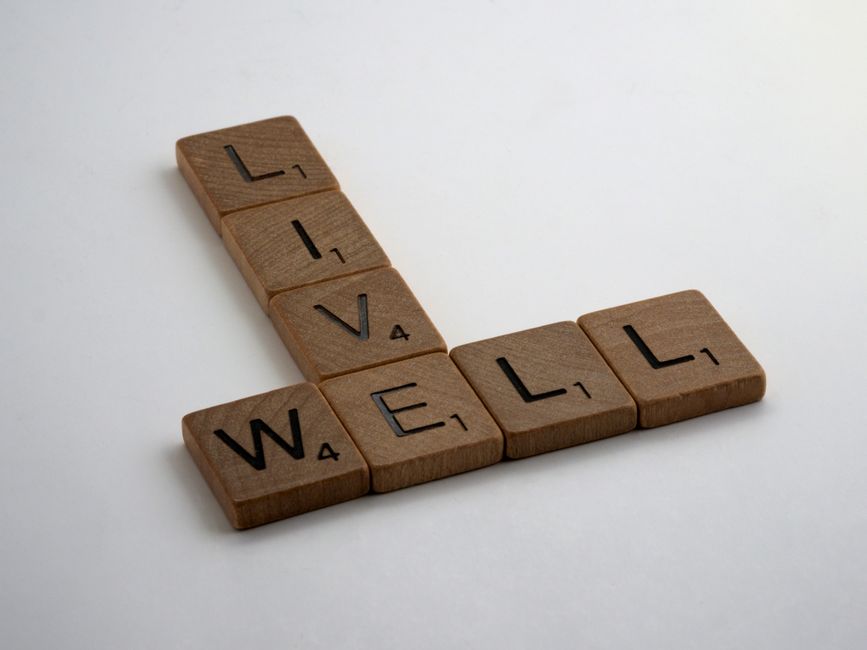
Finland ranks among the happiest countries on earth, yet loneliness is quietly corroding that reputation. A 2025 report by the Finnish Institute for Health and Welfare (THL) found that roughly one in five Finns aged 20–64 reported feeling lonely often or almost always — a figure that has barely budged since the pandemic reshaped social habits four years ago. Stress levels tracked alongside it, with chronic loneliness now linked to cortisol dysregulation, disrupted sleep and elevated cardiovascular risk at rates comparable to smoking 15 cigarettes a day, according to research published in the journal Perspectives on Psychological Science.
Why does this matter in July 2026? Because summer in Helsinki is supposed to be the antidote. Long daylight hours, terraces crowded along Esplanadi, the smell of grills firing up at Pihlajasaari island — the season carries a cultural expectation of togetherness. But for a growing share of residents, particularly those who moved here alone for work or study, the city's warmth can feel most exclusionary precisely when it looks most inviting from the outside. Mental health professionals at the Helsinki University Hospital's outpatient psychiatry unit have noted a persistent post-summer dip in referrals that masks a harder truth: many people white-knuckle their way through July before presenting in September.
The city is not waiting passively. Yhteinen pöytä — the Shared Table project operating out of Vantaa but with distribution and social eating events across eastern Helsinki, including the Mellunkylä district — has doubled its weekly community meal sittings since 2023, serving roughly 1,200 people every Thursday. The model is deliberately non-charitable in atmosphere: participants volunteer, share cooking duties and eat together at long tables, engineering the kind of low-stakes repeated contact that researchers at Aalto University's Department of Neuroscience and Biomedical Engineering identify as the fastest route to reducing perceived isolation.
Across town, the Caisa Cultural Centre on Unioninkatu 28 runs a year-round programme of multilingual workshops — ceramics, drumming, Finnish conversation circles — explicitly designed for residents without established social networks. Attendance at its Friday evening open sessions has grown 34 percent in the past 12 months, according to figures from the City of Helsinki's culture services department. Neither venue asks for a diagnosis. Both ask you to show up.
The science behind both approaches is increasingly solid. A meta-analysis covering 148 studies and more than 300,000 participants concluded that strong social relationships reduce mortality risk by 50 percent — a number that dwarfs the effect size of most pharmaceutical interventions for mild-to-moderate depression. The UK's national loneliness strategy, launched in 2018, spent £20 million over five years on social prescribing pilots, with GPs referring patients to community activities rather than, or alongside, medication. Helsinki's own Social and Health Services division piloted a comparable social prescribing model in Kallio and Vallila neighbourhoods in 2024, with a formal evaluation due this autumn.
Experts working in this field are consistent on a few mechanics. Frequency matters more than depth — brief, repeated interactions with the same people build the neural scaffolding of belonging faster than occasional intense conversations. This is why the morning regulars at Café Regatta on Merikannontie 8 or the Saturday swimmers at Yrjönkatu Swimming Hall tend to report surprisingly strong senses of community without ever having exchanged surnames.
For anyone feeling the pull of isolation this summer, the practical entry points are specific and low-cost. The Helsinki Metropolitan Area's open-access sports facilities — including the outdoor gym at Töölönlahti Bay, free to use — draw mixed crowds from 6 a.m. daily. The Helmet library network, with its 37 branches across the city, hosts free reading and language groups every week. And for those whose stress has moved beyond the everyday, THL's national mental health helpline (09 2525 0111) operates seven days a week.
Connection is not a luxury supplementing mental healthcare. Accumulating evidence positions it at the centre. Helsinki already has the infrastructure — the question is whether residents, and the city's health planners reviewing the Kallio-Vallila pilot results this autumn, treat it that way.
For personalised mental health support, consult a local GP or contact the Helsinki University Hospital's psychiatric outpatient services. This article provides general wellness information only.
About this article
Published by The Daily Helsinki
Spread the word
Daily brief
Free, in your inbox before 7am. Weekdays.
The Daily Network — local news across Australia