A Century of Concrete and Culture: The Evolution of Helsinki’s Kallio District
From the working-class tenements of the 1920s to the high-tech creative hubs of 2026, the transformation of Helsinki’s densest neighbourhood reflects the city's broader economic shift.
This article was generated by AI from the linked public sources. The Daily Helsinki is independently owned and covers Helsinki news free from advertiser or sponsor influence. Read our editorial standards →
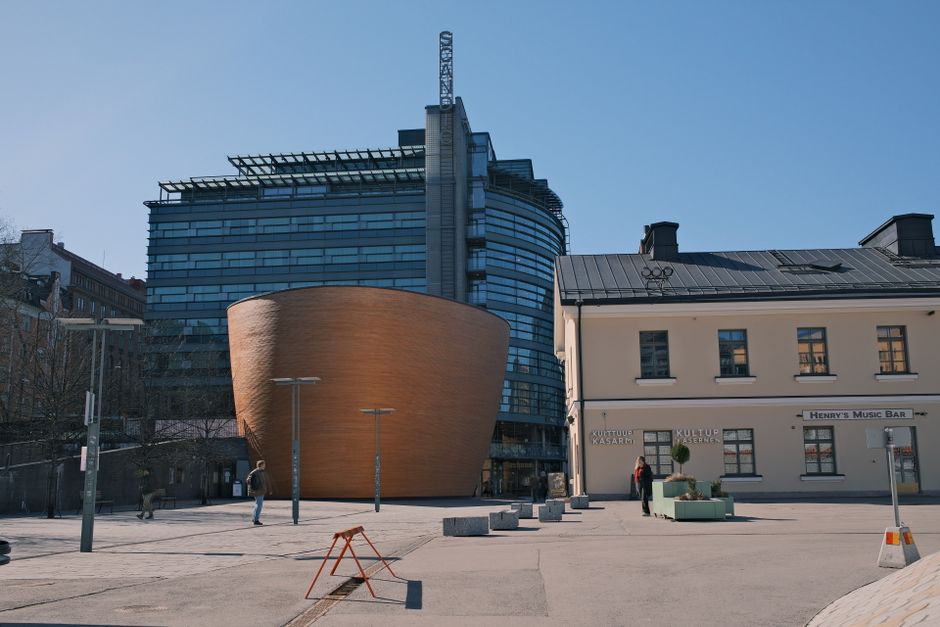
Helsinki’s Kallio district officially marked a quiet milestone this week, as the final renovation phase of the Karhupuisto residential blocks concluded, capping a decade-long project to preserve the area’s signature late-industrial architecture. What began a century ago as a cramped enclave for mill workers and dock laborers along the Sörnäinen shoreline has hardened into the city's most densely populated and socially complex creative hub.
The Shift from Factory Floor to Creative Studio
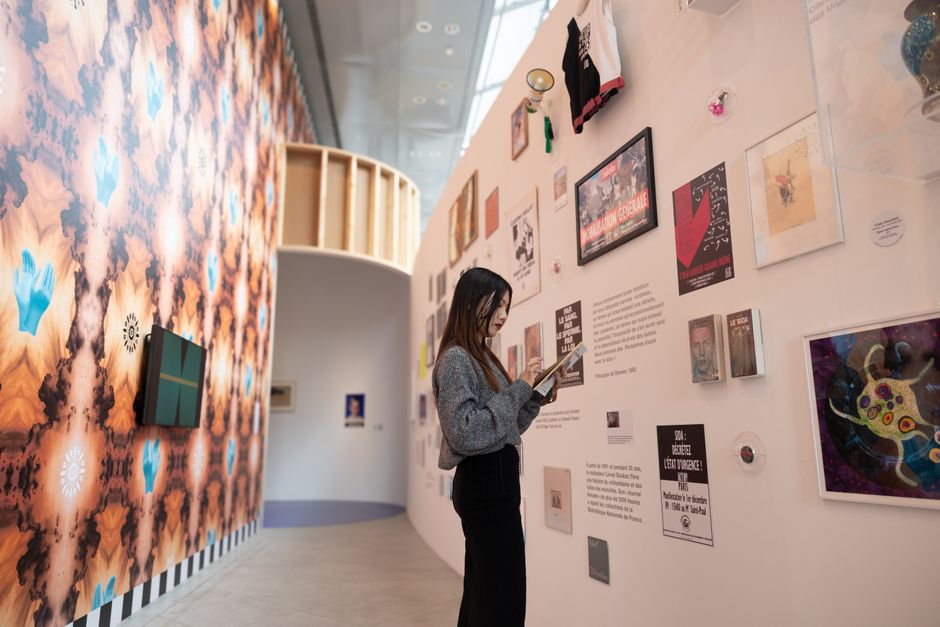
The transition is visible on every corner of Vaasankatu, where former boiler rooms and storage depots have been gutted to make way for digital design studios and independent gallery spaces. Local archivists at the Helsinki City Museum note that this evolution wasn't accidental; the 2016 rezoning of the Merihaka waterfront forced a cultural migration inland. Creative collectives, previously priced out of the Punavuori design district, pushed into the northern blocks of Kallio, fundamentally altering the demographic makeup of the neighborhood.
This shift matters because it defines how Helsinki balances its heritage with modern urban density. While older residents still frequent the traditional saunas near Helsinginkatu, the ground-level retail has shifted toward specialty coffee roasters and international coworking spaces. The Helsingin Työväenopisto, or Workers’ Academy, remains a pillar of the community, but its curriculum has pivoted from industrial vocational training to software coding and digital media production to meet the needs of the new Kallio residents.
Economic Indicators and the Cost of Change
Data from the Helsinki City Executive Office reveals the scale of this economic departure. In 1995, the average price per square meter in the Kallio postal code was roughly 1,400 euros. As of June 2026, that figure has climbed to an average of 7,850 euros, representing a steady upward trajectory that has effectively displaced the very working-class families who built the neighborhood. Despite these spikes, the area retains the highest concentration of independent arts venues in Finland, with over 40 non-profit exhibition spaces operating within the 1.9 square kilometer district.
The preservation of this cultural texture depends on the upcoming "Urban Commons" initiative scheduled for an August review by the City Council. The policy seeks to offer tax incentives to landlords who lease space to local cultural non-profits at sub-market rates. For those living in the district, the outcome will determine whether the neighborhood retains its grit or disappears behind the sanitized aesthetic common to global hubs like Berlin or Stockholm. For now, the smell of roasted beans and the sound of welding torches from the remaining artisan workshops continue to define the Kallio experience.
Covering culture in Helsinki. This article was generated by AI from the linked sources and was not reviewed by a human editor before publishing. See our editorial standards.